Thinking about listing your Buford home this season? The market is active, but buyers have more choices than they did a couple of years ago. That means your pricing, presentation, and paperwork need to be dialed in. In this guide, you’ll learn what matters most right now in Buford, how to prepare your property, and which steps help you sell for a strong price with fewer surprises. Let’s dive in.
Buford market snapshot for 2026
As of early 2026, the typical single-family home in Buford trades in the mid $400,000s, with recent city-level medians near $475,000. You can see a current overview in this city trends summary from PropertyFocus.
Listings are taking longer than they did at the peak pandemic rush. Expect roughly 60 to 70 days on market on average, with well-priced, well-presented homes moving faster. Sale-to-list ratios across the area usually land in the upper 90 percent range, so accurate pricing matters.
For context, Gwinnett County’s typical value sits closer to the low $400,000s, which shows how price bands can shift by city and neighborhood. Mortgage rates also shape buyer behavior. The 30-year fixed averaged 5.98% for the week ending Feb 26, 2026, according to Freddie Mac’s PMMS. Rates are lower than recent highs, which supports spring activity, but buyers remain rate sensitive.
What drives demand in Buford
Buyers choose Buford for practical and lifestyle reasons. Commuters value proximity to I-85 and I-985, and many are drawn to the area’s amenities like Lake Lanier and the Mall of Georgia. School options are a consistent price driver as well, according to local context provided by the City of Buford. Keep the conversation factual and focus on how your specific home fits local demand: access, convenience, amenities, and condition.
Price right for your submarket
Buford is not one price fits all. You have established neighborhoods, newer subdivisions near shopping, and higher-end homes closer to Lake Lanier. Price per square foot, finish levels, and lot size can vary by school cluster and ZIP. Local reports show meaningful differences by neighborhood, which is why a block-by-block analysis is worth the time.
Here is how to approach pricing:
- Ask your agent for a Comparative Market Analysis that filters to your school cluster, neighborhood, and similar finish level. County MLS data is more reliable than broad metro averages. You can review county snapshot trends through Georgia MLS.
- Weigh recent closed sales more heavily than active listings. In today’s market, overpricing can push you into multiple reductions and longer days on market.
- Align your list price with how buyers search online. Clean, round search thresholds help your listing show up in more alerts.
Presentation that sells in 2026
Buyers skim hundreds of listings online before they book a showing. Your photos, floor plan, and staging affect how many people cross the threshold.
- Staging helps. The National Association of REALTORS reports that many agents see 1% to 10% higher offers and reduced days on market when homes are staged. See NAR’s findings in their home staging report.
- Professional media matters. Plan for high-quality interior and exterior photos, and add a floor plan or 3D tour. Basic photo packages often run $150 to $400, with add-ons like aerials and 3D tours increasing the budget. Providers like ThreeSixty outline common options.
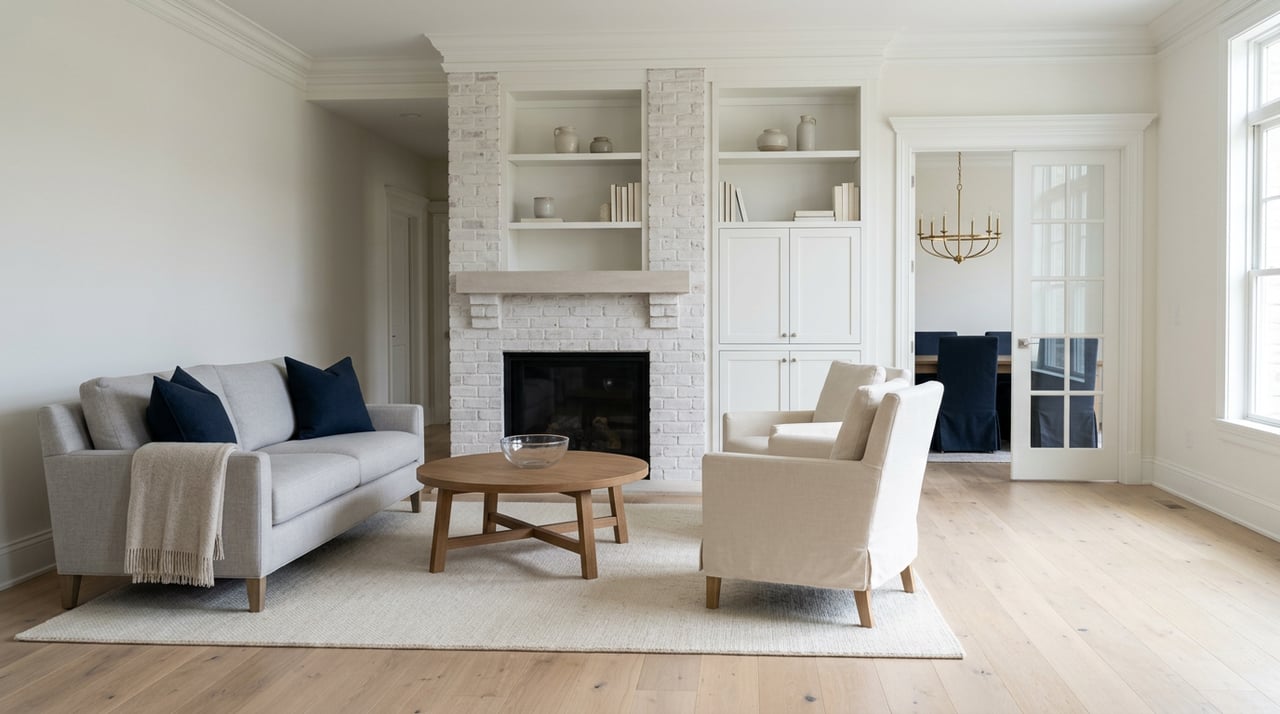
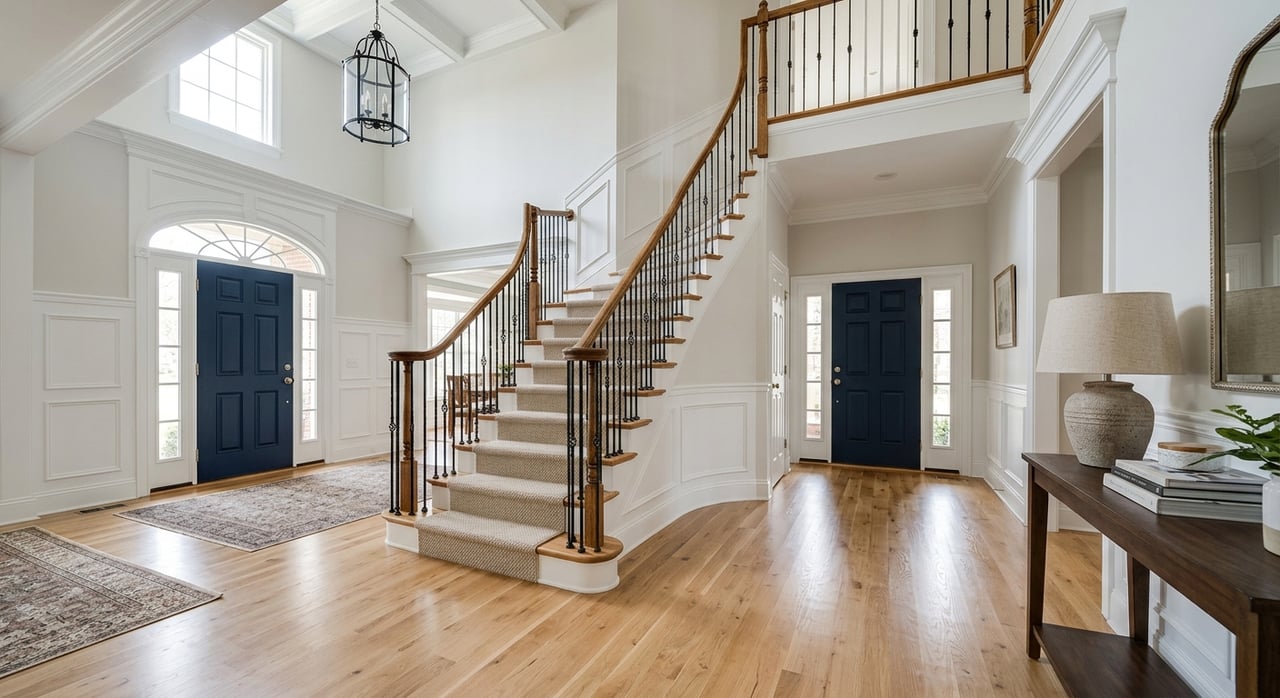
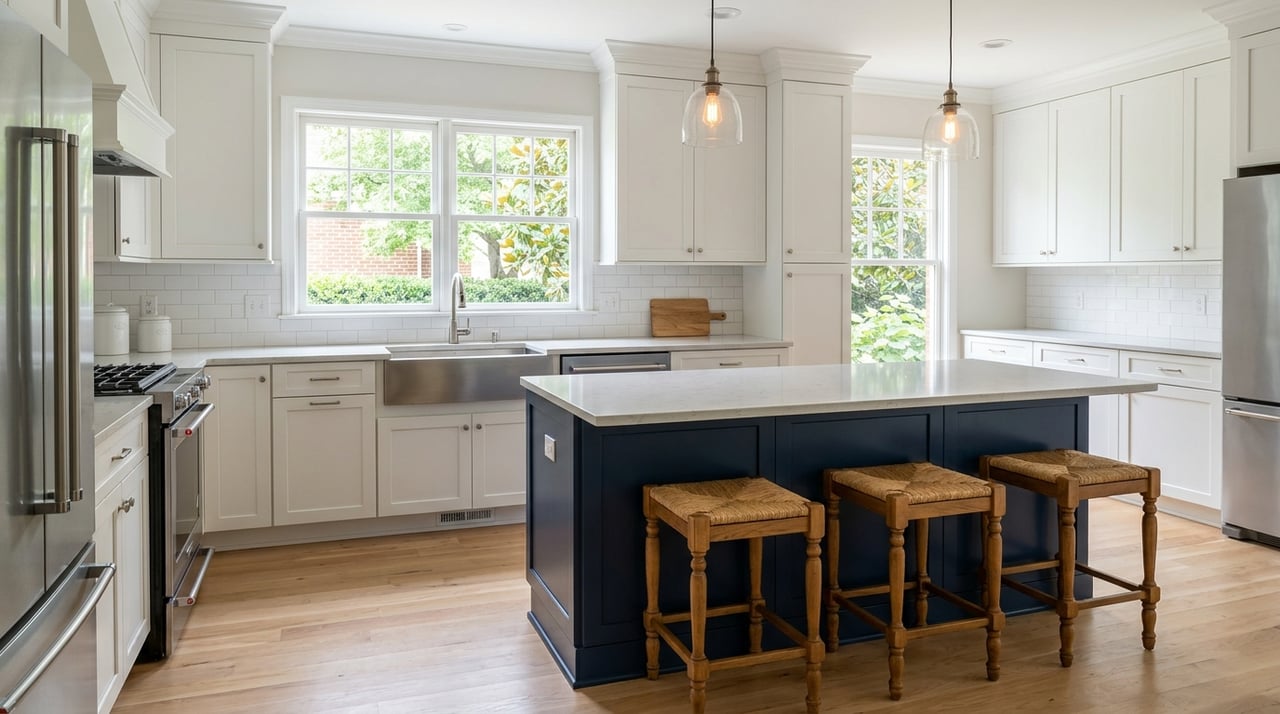
- Focus on high-impact rooms. Prioritize the living areas, kitchen, primary bedroom, and entry. Clear surfaces, neutral paint, and good lighting go a long way.
Legal and paperwork: what to prepare
Georgia is often described as a “buyer beware” state. You are not required by statute to use a statewide disclosure form in every residential sale, but you must disclose known latent or material defects. Most sellers complete the Georgia Association of REALTORS disclosure to reduce risk. You can read a plain-English overview at Nolo’s guide to Georgia seller disclosures.
- Broker duties. Georgia brokers must disclose adverse material facts they actually know. See O.C.G.A. §10-6A-5 at Justia’s code library.
- Lead-based paint. If your home was built before 1978, you must provide a lead disclosure, share any known reports, and give buyers time to test. The EPA’s guidance explains the requirement.
- Permits and inspections. If you added square footage, finished a basement, or did major electrical, plumbing, or structural work, verify that permits were pulled and closed out. Check the City of Buford Planning and Zoning portal for in-city properties, or Gwinnett County Planning & Development for unincorporated addresses.
- Transfer tax and recording. Georgia collects a state transfer tax, commonly calculated at $1.00 per $1,000 of consideration, filed with the PT-61. The party who signs the deed usually pays it, though contracts can shift payment. Learn more about the calculation through this Georgia transfer tax overview.
- Typical seller costs. Expect closing costs like title, recording, state transfer tax, prorated property taxes, HOA transfer or resale package fees if applicable, and any agreed credits. Commissions are often the largest single item. Have your agent prepare a detailed net sheet early.
A simple 6-week pre-listing plan
Use this timeline as a starting point. Adjust if you need more time for repairs or school-year timing.
Weeks 6 to 4: assessment and strategy
- Hire an experienced local listing agent and request a data-driven CMA that reflects your school cluster and immediate comps. County MLS data helps you avoid broad averages. See county snapshots at Georgia MLS.
- Consider a pre-listing inspection to catch hidden issues before buyers do. Typical inspections run $300 to $600, with add-ons like radon, termite, or sewer scope at extra cost. Here is a cost overview from AmeriSave.
- Check permits and zoning records for any remodels or additions. Resolve unpermitted work now or plan to disclose and price accordingly. Start with the City of Buford permits page or the county portal.
Weeks 4 to 2: repairs and staging
- Triage repairs. Address safety or system issues first, then curb appeal, then kitchen and bath cosmetics. A fresh neutral interior paint is often a high-ROI refresh. NAR highlights the value of staging and strategic updates in its staging insights.
- Choose your staging plan. Agent-led staging can cost a few hundred dollars. Partial professional staging commonly runs $800 to $2,500, while full staging for vacant or luxury listings can be more.
Weeks 2 to 0: media and launch
- Book professional photography and create a floor plan or 3D tour. Expect $150 to $400 for a basic shoot, with $100 to $500 more for add-ons like drone or Matterport. Review options through ThreeSixty’s service overview.
- Prepare your disclosures and documentation packet. Include receipts for permits, warranties, HOA docs, and recent service records. Complete a seller property disclosure to reduce the risk of later disputes. See Nolo’s guidance on disclosures.
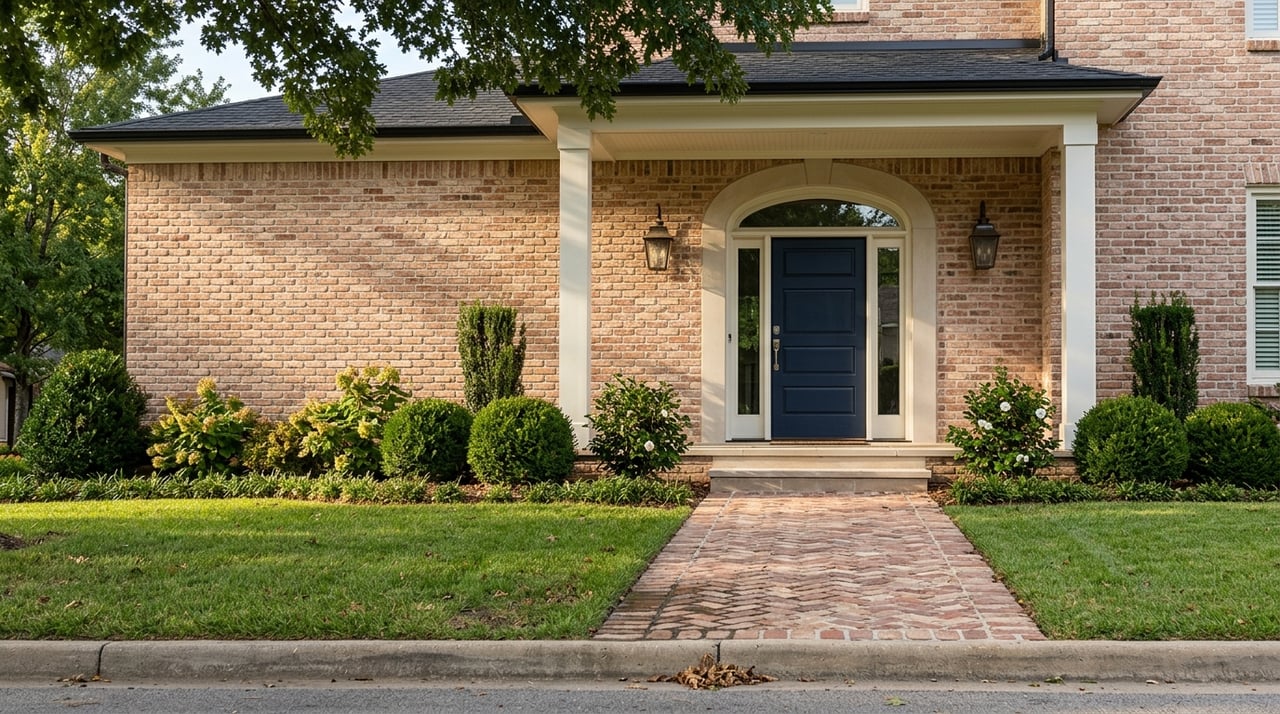
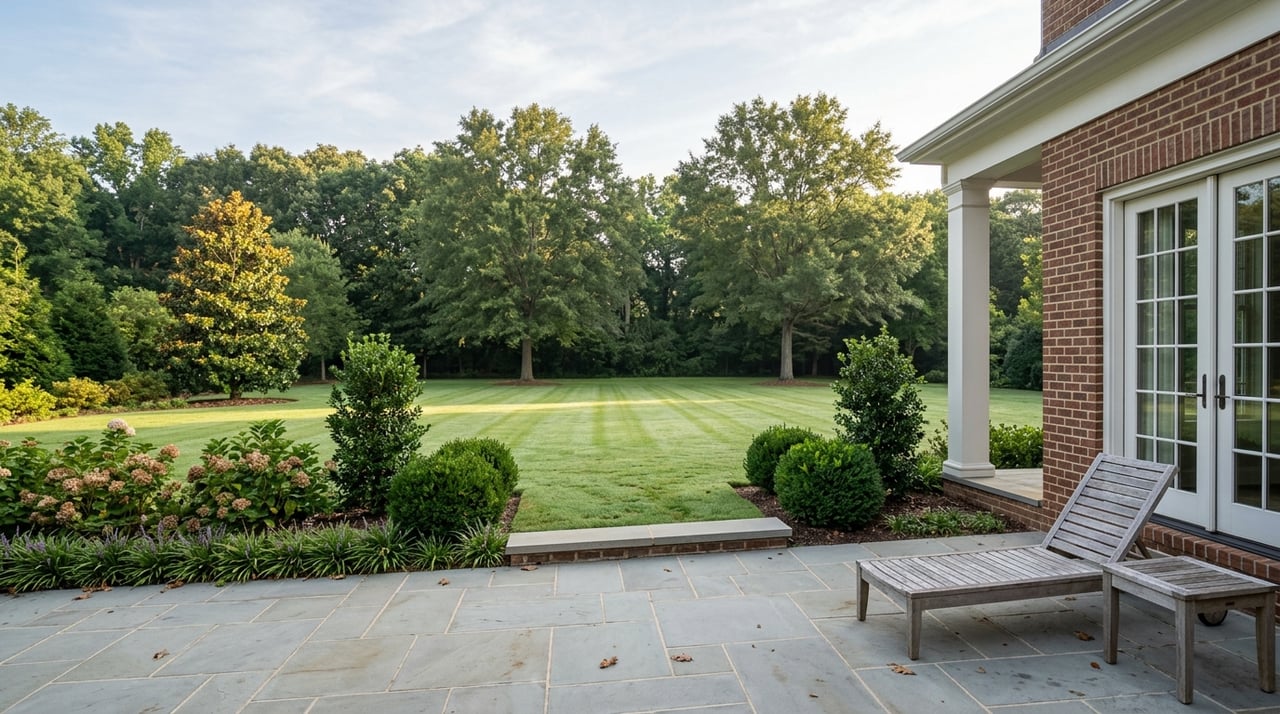
- Do a final deep clean, declutter, and touch-up landscaping the week of photography. Fresh mulch, trimmed shrubs, and clean windows photograph well.
Listing day and the first week
- Go live on the MLS with clear showing instructions. Plan a strong first weekend with targeted advertising and agent-to-agent outreach. Track feedback daily and be willing to adjust price or presentation if you hear consistent objections.
Cost ranges and expected ROI
- Pre-listing inspection: $300 to $600, plus optional add-ons. Prevents last-minute surprises and renegotiations. Source: AmeriSave.
- Professional photos and media: $150 to $400 for a basic shoot, plus $100 to $500 for 3D tours or aerials. Quality media increases online views and showings. Source: ThreeSixty.
- Staging: agent-led a few hundred dollars, partial professional $800 to $2,500, full staging $2,000 to $6,000+ for larger or vacant homes. Many agents report faster sales and 1% to 10% higher offers. Source: NAR home staging report.
- Closing costs (excluding commission): often 1% to 3% of the sale price for title, recording, transfer tax, escrow, prorated taxes, and HOA fees where applicable. Your net sheet will detail exact amounts.
Terms and timelines to watch during negotiations
- Financing and appraisal: Rate-sensitive buyers may ask for closing cost help or rate buydowns. Review the net impact before you agree.
- Inspection requests: Use your pre-listing inspection to decide what to fix now and what to credit. Quick, clear responses keep deals on track.
- Earnest money and timelines: Stronger earnest money, shorter contingencies, and clear move-out dates add confidence and reduce risk.
How a seasoned local broker adds value
The right listing strategy in Buford is part pricing science, part presentation, and part negotiation. Here is what an experienced broker should deliver for you:
- A neighborhood-specific CMA that isolates the correct school cluster, lot size, finish level, and true comparable sales, using county MLS data. See county trend snapshots at Georgia MLS.
- A targeted prep plan that prioritizes high-ROI updates, guided by a pre-listing inspection where helpful. Cost clarity helps you choose fixes versus credits. See inspection cost context at AmeriSave.
- Permit and disclosure support so your file is complete and consistent with Georgia law and broker duties under O.C.G.A. §10-6A-5.
- A premium media plan with professional photos, floor plan, and 3D assets, plus targeted online placement and agent-to-agent outreach. Review media options at ThreeSixty.
- Skilled offer evaluation and negotiation focused on price, certainty, and timeline, so you can move forward with confidence.
If you want local, senior-level guidance from first walk-through to closing, you will appreciate working with a boutique, broker-led team. With more than 40 years advising north-Atlanta sellers, we focus on preparation, polished presentation, and firm negotiation to protect your value.
Ready to talk strategy for your Buford sale? Schedule a Free Consultation with Beverly Davison.
FAQs
How long does it take to sell a home in Buford in 2026?
- Typical listings take about 60 to 70 days to go under contract, with well-priced, well-presented homes moving faster based on local trends.
Do Georgia home sellers have to complete a disclosure form?
- Georgia does not mandate a single statewide form in every sale, but you must disclose known material defects; most sellers use a written disclosure to reduce risk, as explained by Nolo.
What should I fix before listing my Buford home?
- Prioritize safety and system issues first, then curb appeal, then light cosmetic updates in kitchens and baths. Neutral paint, clean floors, and bright lighting boost online appeal.
How much do staging and photos cost in Buford?
- Expect a few hundred dollars for agent-led staging, $800 to $2,500 for partial professional staging, and $150 to $400 for a pro photo shoot, with add-ons for 3D or drone.
What taxes and fees should Georgia sellers expect at closing?
- Plan for state transfer tax, title and recording fees, prorated property taxes, and any HOA transfer or resale package fees. Commissions are typically the largest single cost; ask your agent for a net sheet early.