Living Near UGA in Athens GA: What Homebuyers Should Know
April 16, 2026
April 16, 2026
If you are thinking about living near the University of Georgia, you are not just choosing a home. You are also choosing a rhythm of life shaped by campus events, student movement, walkable streets, and classic Athens character. For some buyers, that mix is a perfect fit. For others, it helps to know exactly what to expect before you make a move. This guide will walk you through housing styles, neighborhood feel, transportation, and the seasonal patterns that shape daily life near UGA. Let’s dive in.
The University of Georgia has a major footprint in Athens. In fall 2025, UGA reported 43,888 students, while the 2024 population estimate for Athens-Clarke County was 128,691, according to UGA enrollment reporting. That scale matters when you are deciding where to live.
It helps explain why areas near campus often feel more active and more changeable than a typical residential market. Athens-Clarke County also reflects a mixed owner-renter market, with an owner-occupied housing rate of 40.7%, median gross rent of $1,219, and median owner-occupied home value of $299,200, based on the same report. If you buy near UGA, you are likely stepping into a market influenced by both long-term homeowners and renters.
UGA also continues to add infrastructure that supports student life and campus access. The university opened a 1,100-space parking deck in August 2025 and plans a 566-bed residence hall and dining facility for fall 2026, according to UGA News. In practical terms, that means nearby areas continue to evolve alongside campus growth.
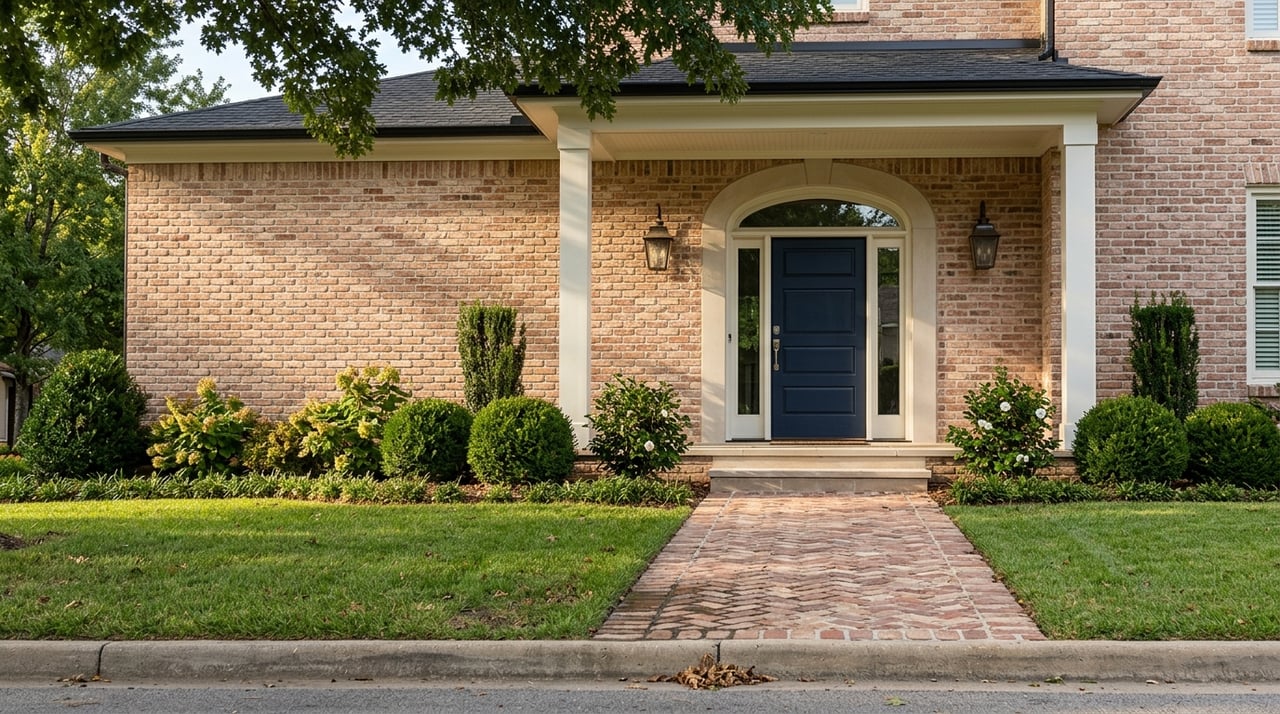
One of the biggest draws near campus is the housing character. Instead of large-scale new subdivisions, you will often find older homes, smaller lots, infill development, and a wide mix of architectural styles.
Athens-Clarke County historic district descriptions reference cottages, bungalow and Craftsman homes, Colonial Revival, Tudor Revival, shotgun houses, and mid-century styles in areas near campus, according to the county’s historic district maps and descriptions. If you love homes with architectural detail and a more established streetscape, that can be a real advantage.
At the same time, older housing stock can mean a different maintenance profile than newer construction. Buyers often benefit from looking closely at layout, parking, lot size, and updates, especially in homes with historic character.
The Downtown Historic District is described by Athens-Clarke County as a dense urban core with commercial and institutional buildings, where brick is the primary material. This is the most walkable and mixed-use part of Athens, and it is closely tied to campus foot traffic.
If you want to be close to restaurants, events, and the energy of downtown, this area offers that convenience. It is also the part of Athens most directly shaped by student movement, campus schedules, and major events.
Athens-Clarke County describes Boulevard as a streetcar suburb from the late 19th and early 20th centuries, with homes ranging from simple cottages to larger residences. Visit Athens notes the area has a rustic-yet-contemporary feel with arts spaces and independent restaurants.
For buyers, Boulevard often appeals because it blends historic housing character with an in-town setting. It feels established and residential, while still keeping you close to the urban core.
Five Points is described by Visit Athens as a 1920s-era neighborhood with early-20th-century housing, boutique shopping, and an independent bookstore. It sits south of downtown near the campus corridor and is often seen as more residential in feel than the downtown core.
This area may appeal to buyers who want classic Athens charm and nearby conveniences without being in the most intense downtown environment. Memorial Park is also located in Five Points, adding another layer of day-to-day convenience.
Visit Athens describes Normaltown as an up-and-coming in-town neighborhood with a relaxed but urban rhythm. It is also tied to UGA’s Health Sciences Campus, which occupies the former State Normal School campus.
If you want an in-town setting with coffee shops, casual dining, and neighborhood identity, Normaltown is one of the areas worth exploring. It offers close-in convenience while maintaining a distinct local feel.
According to Athens-Clarke County, the Milledge Circle Historic District and West Cloverhurst-Springdale include early- to mid-20th-century residential development with varied architecture and established landscaping. These areas present a more traditional residential setting with strong architectural character.
For buyers who want proximity to UGA but also value a classic neighborhood setting, these areas can be especially appealing. They reflect the layered history that makes Athens housing stock so distinctive.
Convenience is one of the strongest reasons people choose to live near campus. Athens-Clarke County Transit is fare-free and operates 16 routes serving more than 500 stops, according to the county’s How to Ride page.
Most buses begin or end at the Multimodal Transportation Center or the UGA Arch, which makes the downtown-campus corridor especially transit-friendly for a city this size. If your routine includes campus, downtown, or nearby in-town neighborhoods, you may be able to rely less on your car than you would in a more suburban setting.
That said, service is not identical at all times. The transit system notes that not every route operates on evenings and weekends, and service levels may be reduced during UGA breaks or major holidays. It is smart to think about your actual schedule, not just the route map.
Parking also plays a big role in daily life near campus. Athens-Clarke County says downtown metered parking is monitored Monday through Saturday from 8:00 a.m. to 10:00 p.m., with free parking on Sundays and selected holidays, according to its parking information. Football parking also affects downtown operations and rates.
On game days, UGA Transportation and Parking Services provides football parking and shuttle service from the East Campus Deck to Sanford Stadium. If you live close to campus, that means convenience on ordinary days but more traffic and circulation changes during major events.
Living near UGA means your year will probably feel different from a typical non-college-town neighborhood. The university calendar creates a clear cycle of busy and quieter periods.
UGA Housing move-in information lists fall move-in for August 14 through 17, 2026, with some early arrivals on August 13. Classes begin in mid-August, spring break lands in March, and commencement happens in early May. Those dates help shape traffic, parking, and neighborhood activity.
When students arrive, the area often feels more active. During breaks, some parts of Athens can feel noticeably quieter. If you value a predictable annual rhythm and enjoy the energy of a university town, that can be a plus. If you want the same pace year-round, it is worth considering how close you want to be to the center of campus activity.
Football season is another major part of the local pattern. Official parking resources make it clear that game days reshape access and parking around downtown and campus. In the nearest neighborhoods, that can mean more visitors, more noise, and heavier traffic on certain weekends.
Living near UGA is not only about the university. Athens also offers parks, trails, and cultural amenities that add balance to the college-town atmosphere.
The State Botanical Garden of Georgia at UGA spans 323 acres, offers free admission and parking, and includes five miles of trails. It is a strong amenity for anyone who wants easy access to green space without leaving town.
In Five Points, ACC’s Memorial Park includes Bear Hollow Zoo, Birchmore Trail, a dog park, playgrounds, and other public facilities. That kind of everyday access can make in-town living feel more rounded and practical.
Athens also has a strong creative identity. Visit Athens describes AthFest as an annual music and arts festival in downtown Athens that highlights the city’s cultural energy. For many homeowners, that mix of campus access, local events, and public amenities is part of what makes Athens stand out.
Living near UGA is often a strong fit if you want walkability, local character, historic housing, and easy access to parks, dining, and campus events. It can work especially well if you enjoy an in-town environment where the pace changes with the academic calendar.
It may be less ideal if your priority is a consistently quiet setting with little event traffic and minimal seasonal change. The neighborhoods closest to campus are shaped by enrollment size, move-in cycles, football weekends, and transit patterns, even when they also offer beautiful homes and strong neighborhood identity.
The key is not whether living near UGA is good or bad. It is whether that lifestyle matches what you want from your home, your block, and your daily routine.
If you are weighing your options in Athens or the surrounding area, experienced guidance can help you compare lifestyle fit just as carefully as price and square footage. Beverly Davison offers the kind of seasoned, relationship-first insight that can help you buy with confidence and clarity.
Stay up to date on the latest real estate trends.
Get assistance in determining current property value, crafting a competitive offer, writing and negotiating a contract, and much more. Contact me today so I can guide you through the buying and selling process.